8 July 2026 · If You Die
What to do with a deceased person's passport: a UK guide
Dealing with the loss of a loved one involves many practical tasks. Learn the correct procedure for handling a deceased person's passport in the UK.
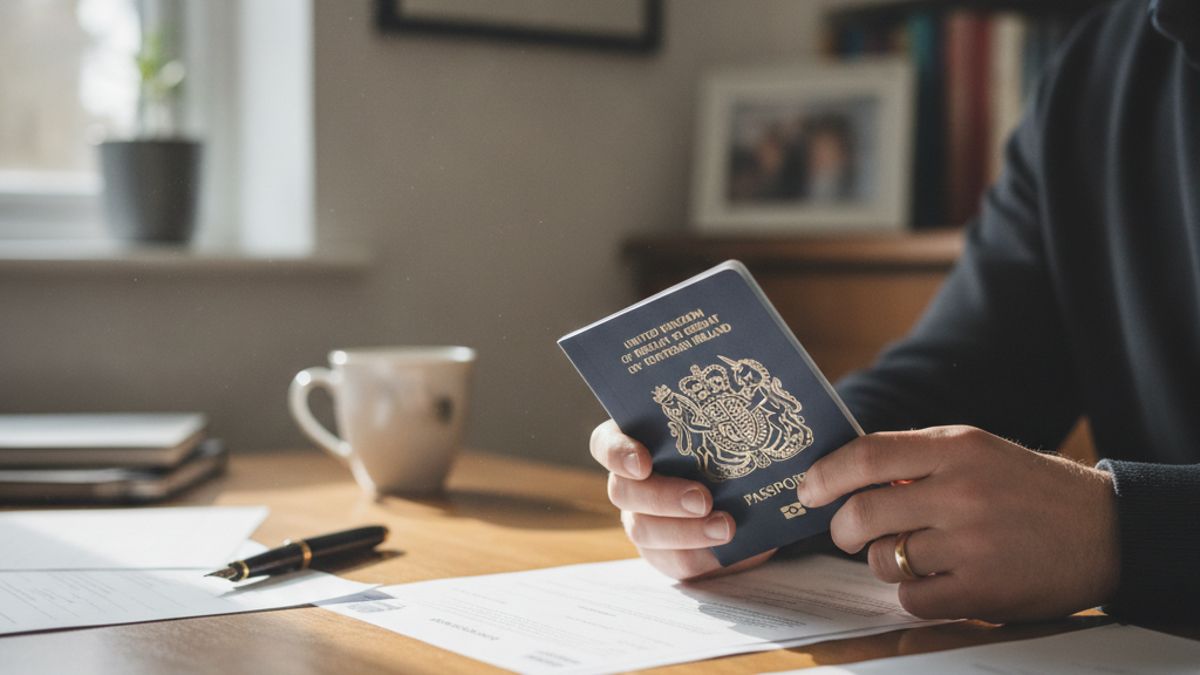
When a loved one passes away, the list of administrative tasks can feel overwhelming. Amid the grief, you are faced with a series of practical duties, from registering the death to contacting banks and utility companies. One of these important tasks is dealing with the deceased person's passport. It may not be the first thing that comes to mind, but it is a crucial step to prevent identity fraud and officially close this aspect of their personal affairs. A passport is a powerful form of identification, and in the wrong hands, it could be used for illegal purposes.
Navigating the official procedures can be confusing, especially during such a difficult time. This guide is here to help. We will walk you through the entire process of what to do with a deceased person's passport in the United Kingdom. From understanding why it's necessary to cancel it, to identifying who is responsible and following the step-by-step instructions provided by His Majesty's Passport Office (HMPO). Our aim is to provide clear, calm, and practical advice to help you handle this responsibility with confidence and care, ensuring you are following the correct legal protocol.
Contents
- The immediate first steps after a death
- Why you must cancel a deceased person's passport
- Who is responsible for cancelling the passport?
- The official UK process for returning a passport
- What happens after you send the passport?
- Frequently asked questions
- The emotional side of handling personal documents
- Preparing for the future: making things easier for your loved ones
The immediate first steps after a death
In the days immediately following a bereavement, your focus will naturally be on more urgent matters. Handling a passport is important, but it is not something that needs to be done within the first 24 or 48 hours. It is perfectly acceptable to set this task aside while you deal with the primary responsibilities that arise after a death.
The first steps you will need to take include:
- Getting a medical certificate: This is issued by a doctor and confirms the cause of death. You will need this to register the death.
- Registering the death: You must register the death within five days in England, Wales, and Northern Ireland (or eight days in Scotland). This is done at a local register office.
- Obtaining the death certificate: When you register the death, you will be able to purchase copies of the official death certificate. It is advisable to get several copies, as you will need them for various administrative tasks, including cancelling the passport.
- Arranging the funeral: This involves contacting a funeral director and making decisions about the service and committal.
Only after these initial, time-sensitive tasks are underway should you turn your attention to administrative matters like dealing with a deceased person's passport. You will need the official death certificate to proceed, so it is a task that naturally follows the death registration. Do not put pressure on yourself to do everything at once. Take your time and work through the list of duties methodically.
Why you must cancel a deceased person's passport
It might seem like a minor piece of administration, but cancelling a deceased person's passport is a vital step for several reasons, primarily centred on security and legal compliance. A passport is one of the most authoritative identity documents an individual can possess, and its cancellation is a formal act that protects your loved one's identity even after they have gone.
Preventing identity theft and fraud
The most significant reason to cancel a passport is to prevent identity theft. In the wrong hands, a valid passport can be used to open bank accounts, apply for loans, or even facilitate illegal travel. Criminals actively seek out the identities of deceased individuals for fraudulent activities because it can take time for their death to be officially recorded across all systems.
By returning the passport to HM Passport Office for official cancellation, you close this potential loophole. The document is officially invalidated in all government systems, rendering it useless for any illegal purpose. This proactive step helps to protect your loved one's legacy and prevents their identity from being misused in a way that could cause further distress to the family.
Legal and official requirement
In the UK, there is an official expectation that the passport of a deceased person will be returned to the authorities. While there may not be specific legal penalties for failing to do so, it is part of the proper and orderly process of settling a person's estate and affairs. Government departments need to be formally notified of a death to update their records, and HM Passport Office is no exception.
Returning the passport ensures that their records are accurate and that the passport cannot be renewed or used by anyone else. It is a mark of respect for the individual and the legal systems that govern our identities.
Who is responsible for cancelling the passport?
When someone dies, the legal and administrative responsibilities for managing their estate fall to a specific person. The individual tasked with cancelling the deceased person's passport is typically the same person handling their other affairs.
Generally, this responsibility falls to one of the following people:
- The Executor of the Will: If the deceased person left a valid will, they would have named one or more executors. The executor is legally responsible for carrying out the instructions in the will and managing the entire estate, which includes dealing with official documents like the passport.
- The Administrator of the Estate: If the person died without a will (a situation known as dying intestate), the law determines who can manage their estate. A close relative, such as a spouse or child, can apply for a grant of representation to become the administrator. This person then assumes the same responsibilities as an executor.
- The Next of Kin: In many practical situations, even before an executor or administrator is formally confirmed, the next of kin takes charge of immediate tasks. This is often the spouse, civil partner, or child of the deceased. It is perfectly acceptable and very common for the next of kin to handle the cancellation of the passport.
HM Passport Office does not have strict rules about who can send the passport back. They understand that a close family member is usually the one to do this. The key is that someone takes responsibility for ensuring this important task is completed as part of settling the deceased's affairs. If you are the one managing the paperwork, you are the right person to handle the passport.
The official UK process for returning a passport
HM Passport Office has a clear and straightforward procedure for cancelling a deceased person's passport. Following these steps will ensure the process is handled correctly and efficiently. You will need to physically send the passport and other documents by post.
Step 1: Gather the necessary documents
Before you begin, make sure you have everything you need. This will prevent delays and ensure your submission is processed without any issues. You will need:
- The deceased person's passport: Find the most recent, valid UK passport. If you find multiple passports, you should return all of them.
- The original death certificate: You must send the original document, not a photocopy. This will be returned to you after the process is complete. If you are waiting for the full death certificate, an interim death certificate from a coroner is also acceptable.
- A completed form: You need to include a form with the deceased's details and your own contact information. You can either print and fill out the 'D1 form' (though it is no longer named this, it's a simple notification form) or simply include a letter with all the required information.
Step 2: Complete the notification details
You must provide information about the deceased and about yourself. Create a letter or fill out a form that includes the following details clearly:
- About the deceased: Full name, date of birth, place of birth, and passport number.
- About you: Your full name, full address, and contact telephone number.
- Your request: State clearly that you are returning the passport because the holder has passed away. Critically, you must also state whether you want the cancelled passport returned to you as a memento. If you do not ask for it back, it will be securely destroyed.
Step 3: Send the documents securely
Once you have the passport, the death certificate, and your completed form or letter, you need to post them. It is highly recommended that you use a secure, tracked service to send these important documents.
Package the items securely in a sturdy envelope and send them to the following address:
Customer Service Management Team
HM Passport Office
PO Box 767
SOUTHPORT
PR8 9PW
Using a service like Royal Mail's 'Signed For' or 'Special Delivery Guarantee' gives you peace of mind that the documents have arrived safely. Given that you are sending an original death certificate and a passport, this extra cost is a worthwhile investment.
What happens after you send the passport?
Once your envelope arrives at HM Passport Office, their Customer Service Management Team will process it. They will take several actions to ensure the passport is officially and permanently cancelled.
First, they will update their records to show that the passport holder is deceased. This cancels the passport in their system, making it impossible for it to be used for travel or identification. This is the most important part of the process from a security standpoint.
Next, they will physically invalidate the passport. The standard procedure is to cut off the top right-hand corner of the passport's cover. This provides a clear, visible indication that the document is no longer valid. Even if it were to be lost or stolen in the future, it could not be mistaken for a valid travel document.
If you requested to have the passport returned, it will be sent back to you in this cancelled state, along with your original death certificate. It can be a meaningful keepsake for many families, a tangible reminder of the journeys and experiences of a loved one. Many frequent travellers and expats find comfort in keeping this small booklet of memories.
The entire process usually takes a few weeks. If you have not received your documents back within a month, you can contact HM Passport Office to inquire about the status. However, a little patience is usually required as they handle a large volume of correspondence.
Frequently asked questions
It is natural to have questions when navigating this process for the first time. Here are answers to some of the most common queries about dealing with a deceased person's passport.
What if I cannot find the passport?
It is not uncommon for a passport to be misplaced. If you have searched your loved one's home and important documents thoroughly and still cannot find it, you should still notify HM Passport Office. You can write to the same address, explaining that the passport holder is deceased and that their passport is lost. Include a copy of the death certificate with your letter. This will allow them to cancel the passport in their system, even without the physical document.
Does the passport have any monetary value?
No. There is no refund for any time remaining on the passport's validity. Its value is purely as an official travel and identity document, and this expires upon the holder's death.
Can I keep the passport as a memento?
Yes, absolutely. As mentioned earlier, HM Passport Office will return the passport to you if you request it. It will be cancelled by having the corner cut off, but you can keep it as a keepsake. You must explicitly state in your accompanying letter that you would like the passport returned to you.
What should I do with a foreign passport?
This guide applies only to British passports. If your loved one held a passport from another country, you must contact the embassy or consulate of that country in the UK. Each nation has its own procedures for handling the passports of deceased citizens. A quick search online for the relevant embassy's 'consular services' section should provide the information you need.
Is cancelling a passport part of the 'Tell Us Once' service?
The 'Tell Us Once' service is a government initiative that allows you to report a death to most government organisations in one go. This includes departments like HMRC, DWP, and the DVLA. However, HM Passport Office is not currently part of the Tell Us Once service. You must contact them separately and follow the postal procedure outlined in this guide. It is a separate and distinct task from the main government notification.
The emotional side of handling personal documents
While the process of cancelling a passport is a practical one, it is important to acknowledge the emotional weight it can carry. A passport is more than just an official document. It is a record of a life lived, filled with stamps from holidays, work trips, and adventures. For many, it is a small book of memories.
Flicking through its pages can bring back a flood of emotions and recollections of happy times. This can be both comforting and painful. Handling an item so personal to your loved one can be a poignant and difficult part of the grieving process. It is a tangible reminder of the person you have lost and the life they led.
Allow yourself the space to feel these emotions. There is no need to rush. If looking at the passport is too difficult right now, you can set it aside for a few days. The task will be there when you are ready. Sometimes, these administrative duties can feel cold and impersonal, but they are also a final act of care for the person who has died, ensuring their affairs are settled with dignity and respect. It may also be a time when you find yourself wishing you had more stories or messages, a sentiment often explored in resources like our guide on writing a goodbye letter to your family.
Preparing for the future: making things easier for your loved ones
Going through the process of managing a loved one's affairs often highlights the importance of being organised yourself. Seeing firsthand the number of documents, accounts, and details that need to be dealt with can be a powerful motivator to make things easier for your own family when the time comes.
One of the kindest things you can do for your loved ones is to leave your own affairs in good order. This goes beyond just writing a will. It involves creating a central, secure place where all your important information is stored. This can include the location of physical documents like your passport, will, and birth certificate, as well as details about your finances and personal wishes.
In today's world, this extends to your digital life. Your family will need to manage your online accounts, from email to social media and banking. Documenting these assets is just as important as listing your physical ones. The process of closing accounts can be complex, and leaving clear instructions can save your family a great deal of stress. For a detailed overview, you might find our article on what happens to your accounts when you die to be a useful resource.
Services like If You Die help you to securely organise this vital information. You can leave instructions, messages, and the locations of important documents for the people you trust. This simple act of preparation can transform a period of overwhelming stress for your family into a more manageable process, allowing them more space to grieve.
Conclusion
Dealing with a deceased person's passport is a necessary and important step in settling their affairs. It is a final act of service that protects their identity and ensures their official records are respectfully closed. The process is straightforward: you need to find the passport, obtain the original death certificate, and send them both with a covering letter to HM Passport Office using a secure postal service. Remember to request the passport's return if you wish to keep it as a memento.
While this task is one of many that you will face during a difficult time, we hope this guide has made the process clearer and less daunting. Taking care of these details is a way of honouring your loved one's memory. Thinking about your own plans can also be a positive step, and using a service like If You Die can provide peace of mind, knowing you have made things as simple as possible for the people you will one day leave behind. It ensures your legacy, both physical and digital, is handled exactly as you wish.
If You Die
Write what only you know. We deliver it, only if you stop replying.
£6 / month, free to start.